When January temperatures drop, frozen pipes become one of the most common and costly plumbing emergencies for homeowners. While pipes inside heated living spaces are usually safe, those located in unheated garages, attics, and crawl spaces are especially vulnerable during winter freezes. A frozen pipe can burst, leading to extensive water damage, expensive repairs, and major inconvenience.
The good news? With a little preparation, frozen pipes are largely preventable. Here’s what homeowners need to know to protect their plumbing during winter cold snaps.
Why Unheated Areas Are at Higher Risk
Pipes in garages, attics, and crawl spaces are often exposed to colder air and lack insulation. In January, even a few hours of freezing temperatures can cause standing water inside pipes to freeze. As water freezes, it expands, placing pressure on the pipe walls, eventually causing cracks or bursts once the ice begins to thaw.
Common problem areas include:
- Water supply lines in garages
- Pipes running along exterior walls
- Attic plumbing for bathrooms or HVAC systems
- Crawl space pipes beneath the home
Identifying these vulnerable areas early is the first step toward prevention.
Insulate Pipes Before Temperatures Drop
One of the most effective ways to prevent frozen pipes is proper insulation. Foam pipe insulation sleeves are affordable, easy to install, and widely available. They help maintain pipe temperature and reduce exposure to freezing air.
Pay special attention to:
- Pipes near garage doors
- Attic plumbing close to rooflines
- Pipes in crawl spaces or unfinished basements
For extra protection, consider insulating surrounding areas as well, such as sealing gaps or adding insulation to walls and ceilings where pipes run.
Seal Drafts and Air Leaks
Cold air entering through small gaps can quickly freeze nearby pipes. Check for drafts around garage doors, attic access points, vents, and exterior walls. Use weather stripping, caulk, or expanding foam to seal cracks and openings. In garages, keep doors properly sealed and avoid leaving them open during cold weather. Even brief exposure to freezing air can significantly lower temperatures inside.
Let Faucets Drip During Freezes
During extreme cold snaps, allowing faucets to drip slightly can help prevent freezing. Moving water is less likely to freeze, and relieving pressure in the system reduces the risk of pipes bursting if freezing does occur.
Focus on faucets connected to pipes in unheated areas, including garage sinks or fixtures located on exterior walls. While dripping water may slightly increase your water bill, it’s far less costly than repairing burst pipes and water damage.
Maintain a Consistent Indoor Temperature
Keeping your home at a consistent temperature, even overnight, can make a big difference. Lowering the thermostat too much at night may save energy, but it can also increase the risk of frozen pipes in unheated spaces connected to the home. Additionally, if you’re leaving town during winter, never turn the heat off completely. Set it to at least 55°F to help protect your plumbing system.
Drain and Shut Off Unused Water Lines
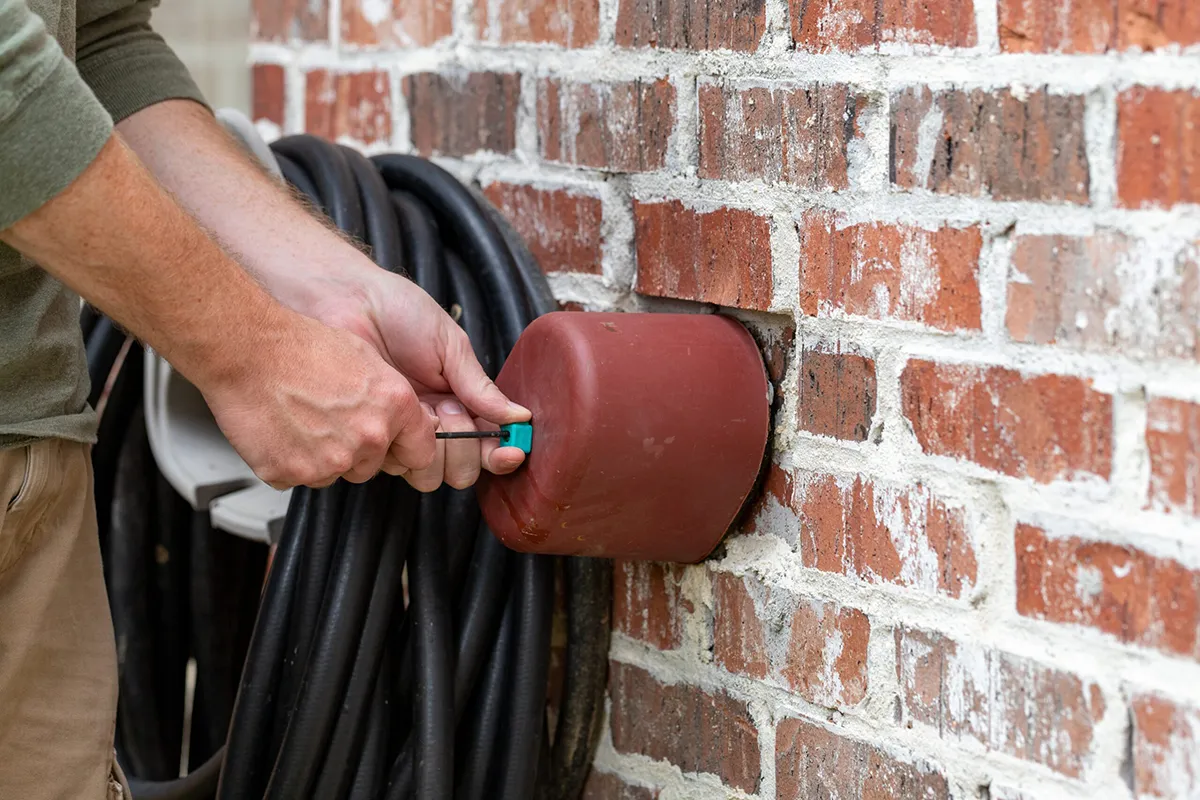
If you have water lines in areas that aren’t regularly used (such as outdoor faucets, garage hookups, or seasonal fixtures) consider shutting off and draining those lines before freezing weather hits. Disconnect garden hoses and ensure outdoor spigots are properly winterized. Trapped water in these lines is a common cause of frozen and burst pipes.
Know the Warning Signs of Frozen Pipes
Early detection can prevent serious damage. Warning signs include:
- Little or no water flow from faucets
- Frost visible on exposed pipes
- Unusual odors coming from drains
- Strange noises when turning on water
If you suspect a pipe is frozen, avoid using open flames to thaw it. Instead, apply gentle heat using a hair dryer or space heater, and immediately call a professional plumber for assistance.
When to Call Blessings Plumbing
If a pipe freezes or bursts, time is critical. The faster the issue is addressed, the less damage it can cause. Blessings Plumbing has the experience and tools needed to safely thaw frozen pipes, repair damage, and help prevent future issues. Our team understands the unique challenges homeowners face during winter freezes and can inspect vulnerable areas like garages, attics, and crawl spaces to ensure your plumbing system is protected.
Stay Ahead of Winter Plumbing Problems
Frozen pipes don’t have to be part of winter. With proper insulation, preparation, and professional support, you can protect your home and avoid costly plumbing emergencies. We offer a 100% satisfaction guarantee for every customer.
If you’re concerned about your pipes this winter or want peace of mind before the next cold snap, contact Blessings Plumbing today. Our trusted team is here to help keep your plumbing running safely and smoothly all season long.