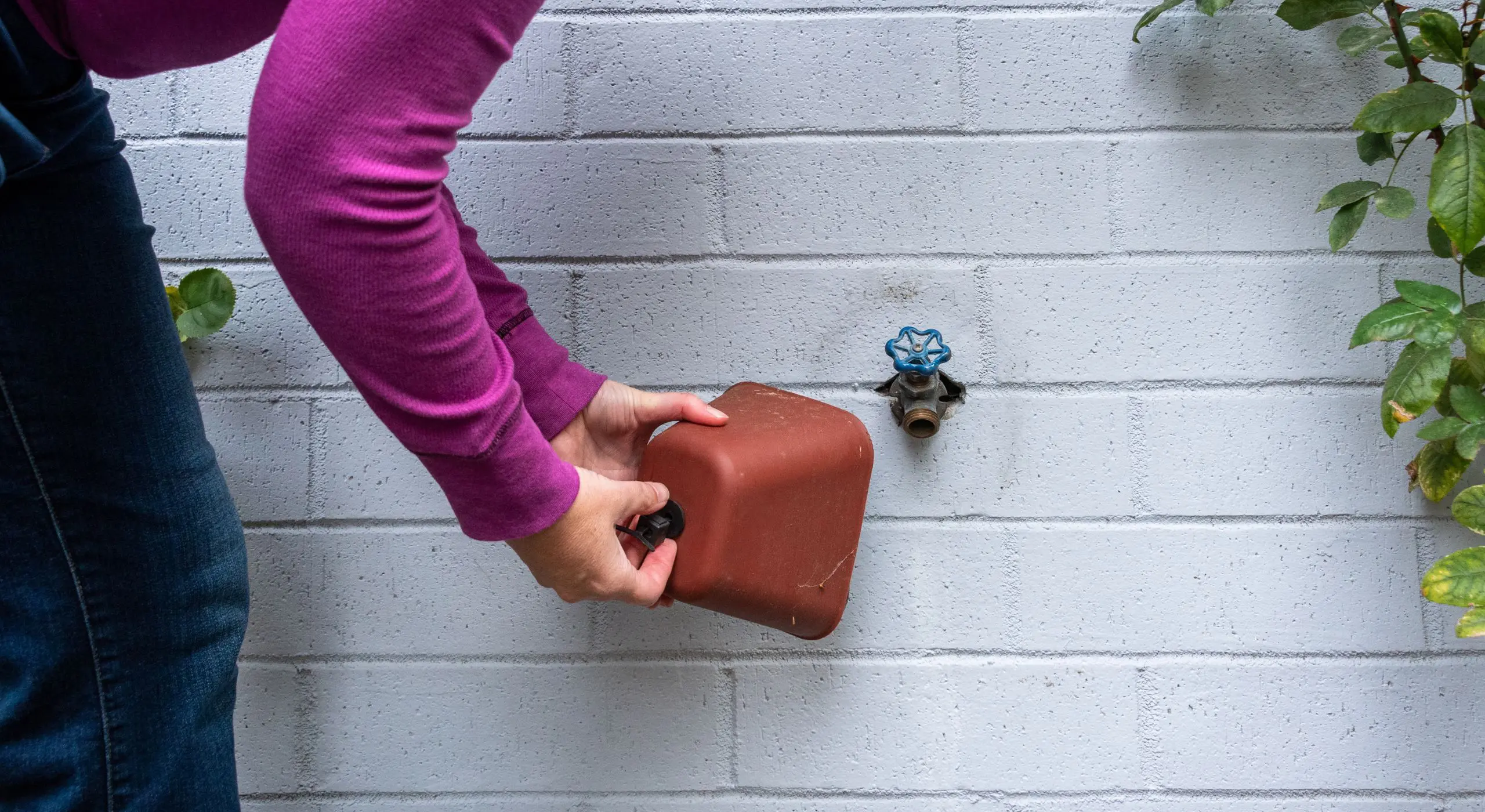
As the temperatures rise and winter finally retreats, it’s time to prepare your outdoor plumbing for spring. This includes hose bibs, outdoor faucets, and sprinkler systems. After months of freezing temperatures, these components are vulnerable to cracks, leaks, and other damage caused by ice. Properly de-winterizing your outdoor water systems not only ensures your irrigation works efficiently but also prevents costly repairs and water damage.
Understanding Winter Damage to Outdoor Plumbing
Outdoor faucets and sprinkler systems face the harshest conditions during winter. When water freezes inside pipes, it expands, putting pressure on metal and PVC components. Even a minor crack can lead to significant leaks once water flow resumes. Over time, repeated freeze-thaw cycles can weaken hose bibs, shut-off valves, and sprinkler lines. By taking the right precautions before turning the water back on, you can detect damage early and protect your home’s plumbing investment.
Hose bibs that appear intact on the surface can still have internal cracks. Sprinkler heads may shift slightly due to frost heave, and connections may loosen over time. If you ignore these subtle signs, you risk burst pipes, foundation leaks, and uneven lawn watering.
Step-by-Step Guide to De-Winterizing
- Inspect Faucets and Sprinklers Carefully
- Before turning the water back on, conduct a thorough inspection. Look closely at your hose bibs for any visible cracks, rust, or corrosion. Check the sprinkler lines for sagging areas or damaged heads. Even small leaks during inspection can indicate larger problems hidden inside the pipe. This step is critical because turning on water in damaged pipes can quickly escalate minor issues into major repairs. If you notice any damage, calling a professional Virginia Beach plumber like Blessings Plumbing ensures the problem is addressed safely and efficiently.
- Gradually Restore Water Pressure
- Once your inspection is complete, it’s important to turn the water back on slowly. Open the main shut-off valve gradually rather than all at once. Start with the faucet closest to the main water line, then move outward to others. Gradual water pressure helps identify weak points and prevents sudden bursts in pipes or fittings that may have weakened over winter. As water flows, check each faucet and connection for leaks. Even a slow drip can indicate a crack or loose fitting. Catching issues at this stage saves you from potential water damage to your foundation, landscaping, or sprinkler system.
- Flush Your Sprinkler System
- After water has been restored, flush your irrigation system thoroughly. Open all sprinkler valves and let water run for several minutes to clear debris and any sediment left from winter. Inspect each sprinkler head for proper alignment and coverage. Misaligned or clogged heads can cause uneven watering, leading to dry spots or overwatered areas in your yard. Replacing or adjusting damaged heads at this point ensures your lawn and garden receive consistent irrigation throughout the season.
- Inspect Hoses and Connections
- Your hoses also deserve attention. Examine each one for cracks, splits, or wear caused by freezing temperatures. Even a small tear can waste water and reduce pressure in your sprinklers. Check the hose connections as well—loose or damaged fittings can cause leaks, which may go unnoticed until your irrigation system is in full use. Replacing worn hoses and tightening fittings prevents unnecessary water waste and ensures your system operates smoothly.
Preventative Maintenance for Outdoor Plumbing
De-winterizing is also an opportunity to perform some preventative maintenance. Installing insulated faucet covers can protect hose bibs during the next cold snap. Checking for proper drainage around sprinkler lines prevents standing water from freezing and causing future damage. Additionally, scheduling a professional inspection with a licensed plumber can identify hidden problems in your pipes or irrigation system before they escalate.
Call a Professional When Needed
While homeowners can safely perform basic inspections and gradual water restoration, some issues require professional expertise. Blessings Plumbing can inspect outdoor faucets, hose bibs, and sprinkler systems thoroughly, repair cracks or leaks, and ensure your plumbing is ready for spring. Having a licensed plumber handle delicate components minimizes risk, prevents damage, and gives peace of mind that your system is functioning optimally.
Prepare Your Outdoor Plumbing for a Worry-Free Spring
Spring is the perfect time to ensure your outdoor faucets and sprinkler systems are ready for regular use. By inspecting for winter damage, turning water on carefully, flushing systems, and checking hoses, you can prevent leaks and extend the life of your outdoor plumbing. For homeowners in Virginia Beach, Chesapeake, and Suffolk, Blessings Plumbing is your trusted partner for safe, efficient de-winterizing. Call us today at 757-425-7790 to schedule a professional inspection or service.